Passage through the Panama Canal

On Monday morning we arrived at the entrance to the Panama Canal to begin our passage to the Atlantic Ocean. We began our passage about 7 am and would be more than 12 hrs in passage. The canal is 82 km long and each ship passing through the locks requires on average 52 million US gallons of fresh water.
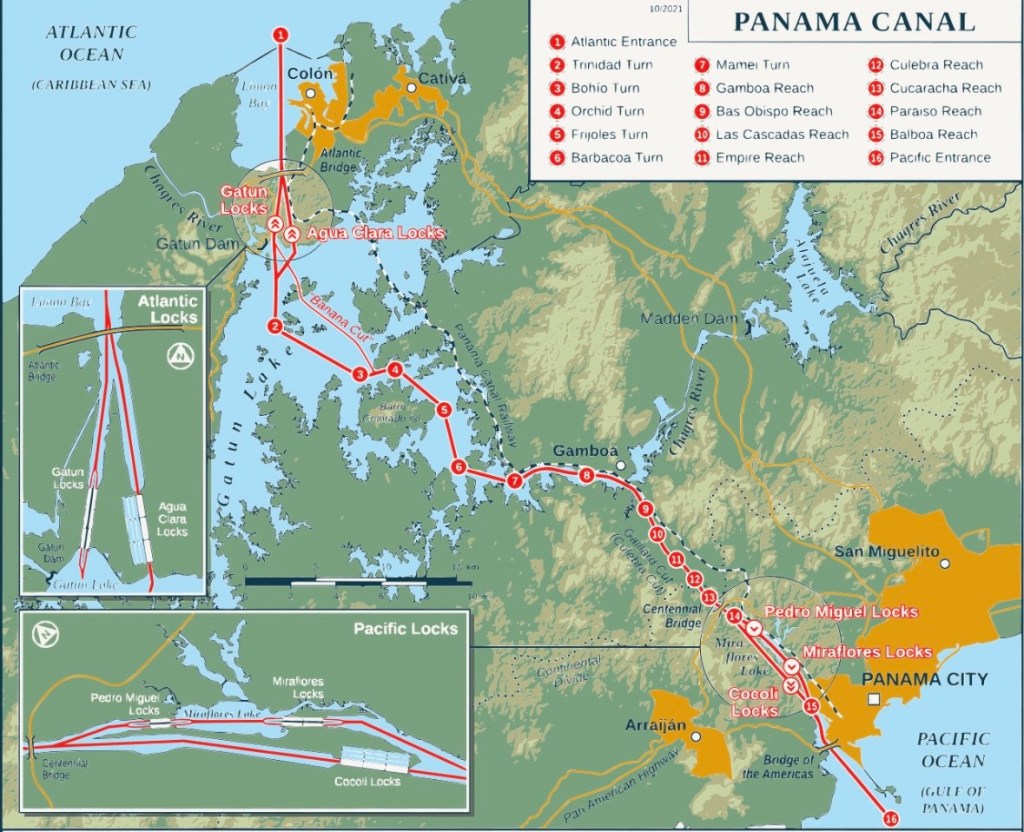
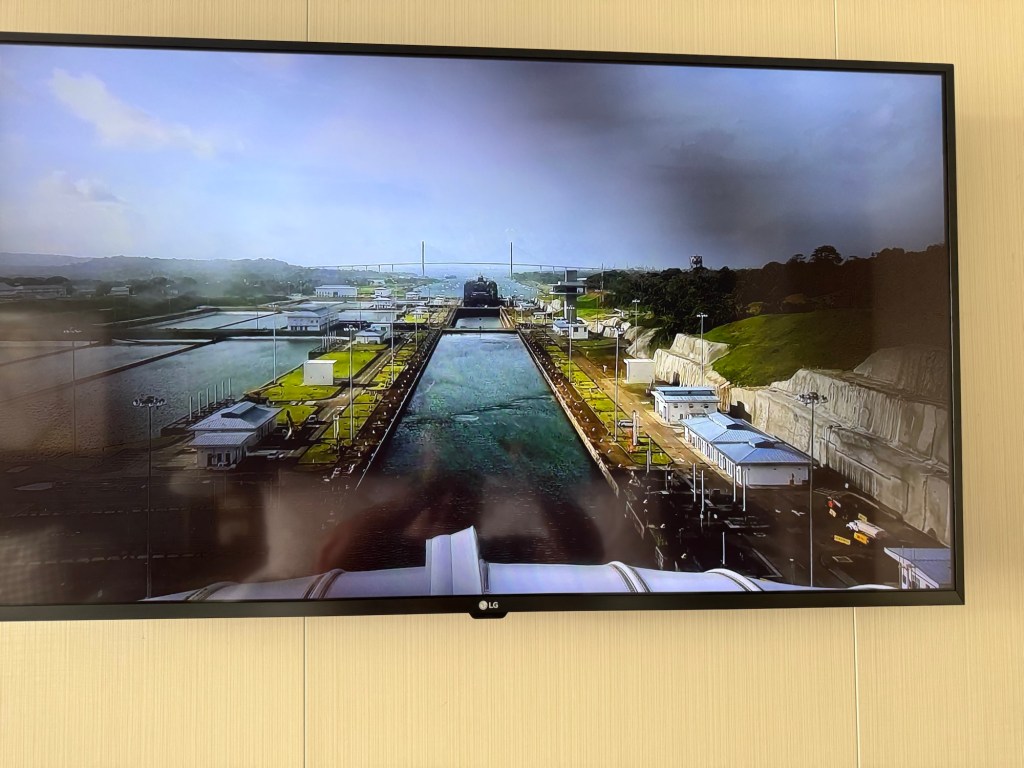
We started at the bottom of this picture and went towards the Carribean.

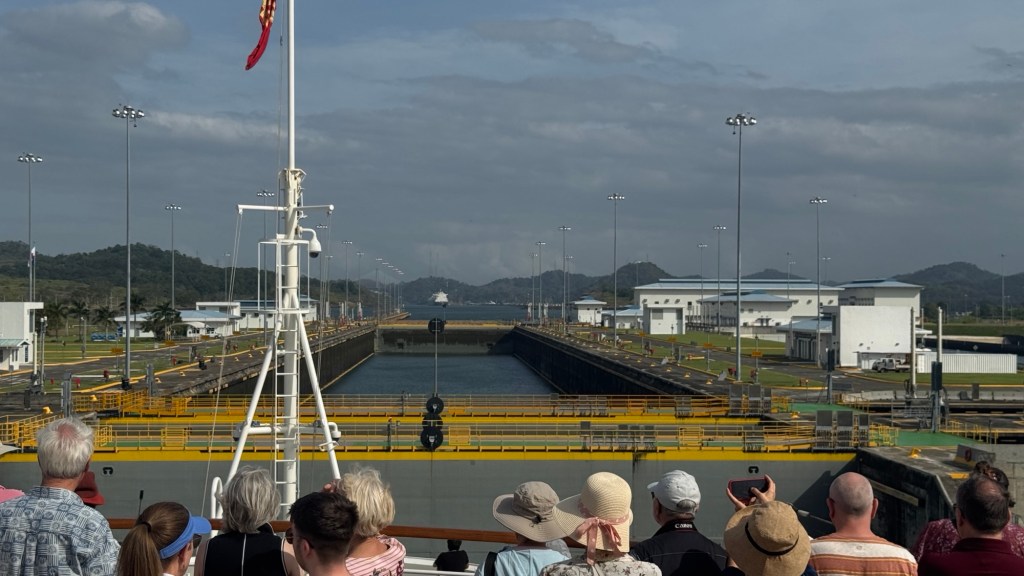
There are locks at both the start and the end of the canal. The first set had 3 locks. We were passing through the most recent enlargement of the canal, opened in 2016, and accommodates the large ships. This is the first time for the Queen Anne to pass through the canal.
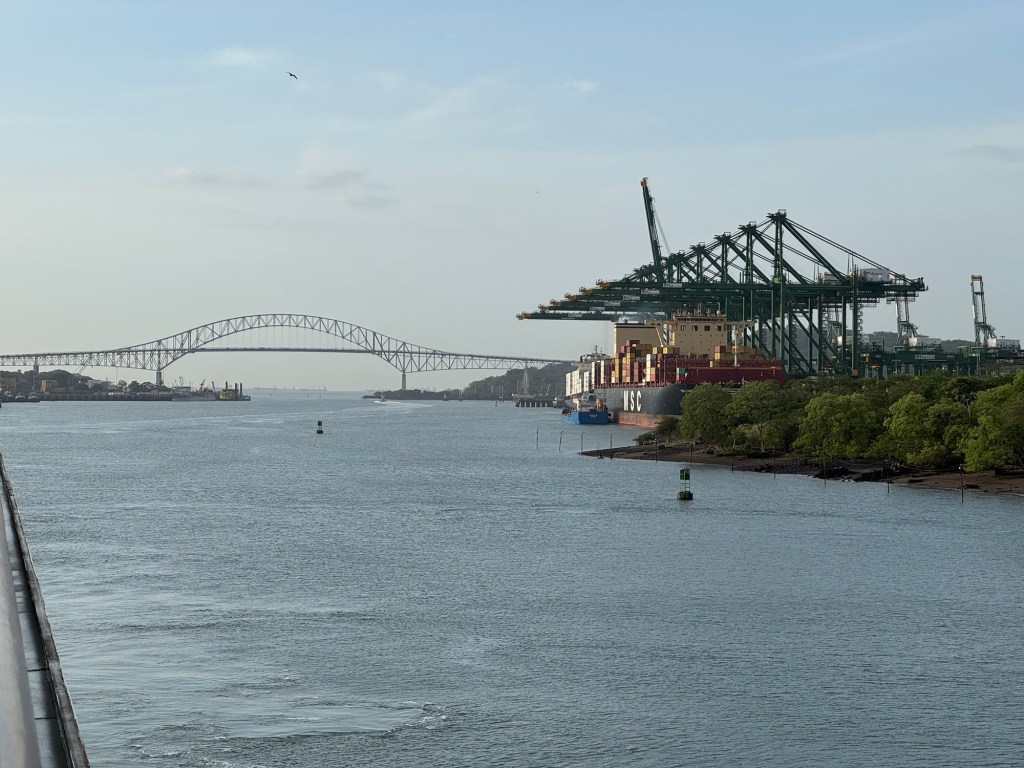
Bridge of the Americas behind us on the Pacific side.
From the bow – in the first set of locks – the Cocolí Locks

In order to go through the locks, our ship had to bring their lifeboats in and partially onto the promenade deck since they aren’t allowed to have anything outside of the sides of the ship. It takes about 2 1/2 hrs just to get through the first 3 locks. Then we made our way through the canal unti we were in Lake Gutan. as we made our way to the far side of the lake, we had a couple hours wait for our pilot to arrive and take us through the last set of locks to the Atlantic Ocean.
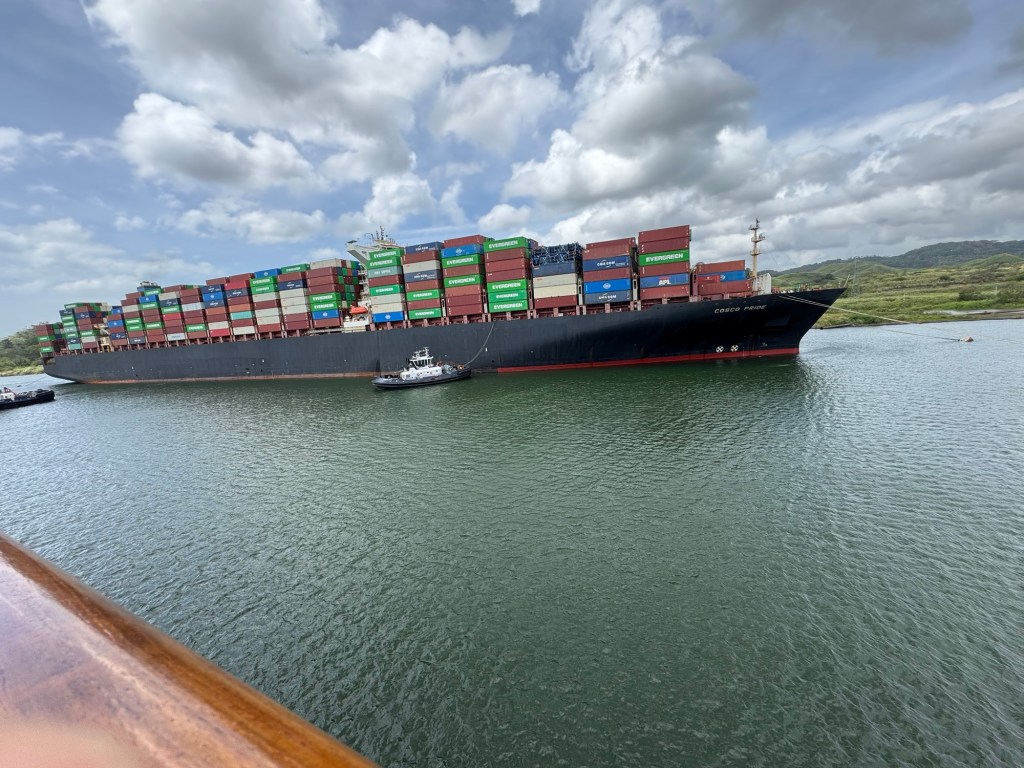
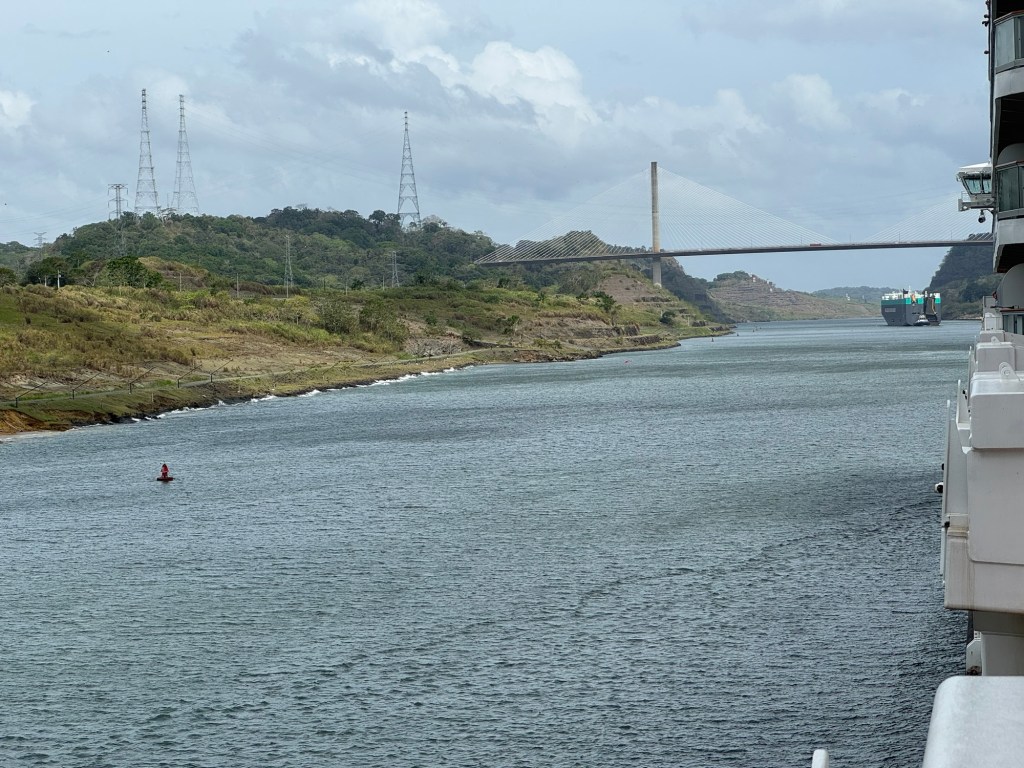
Container freighter in Lake Gutan. On average there are about 37 ships passing through the canal daily. On our day, there were about 45 ships.
Centennial Bridge midway.
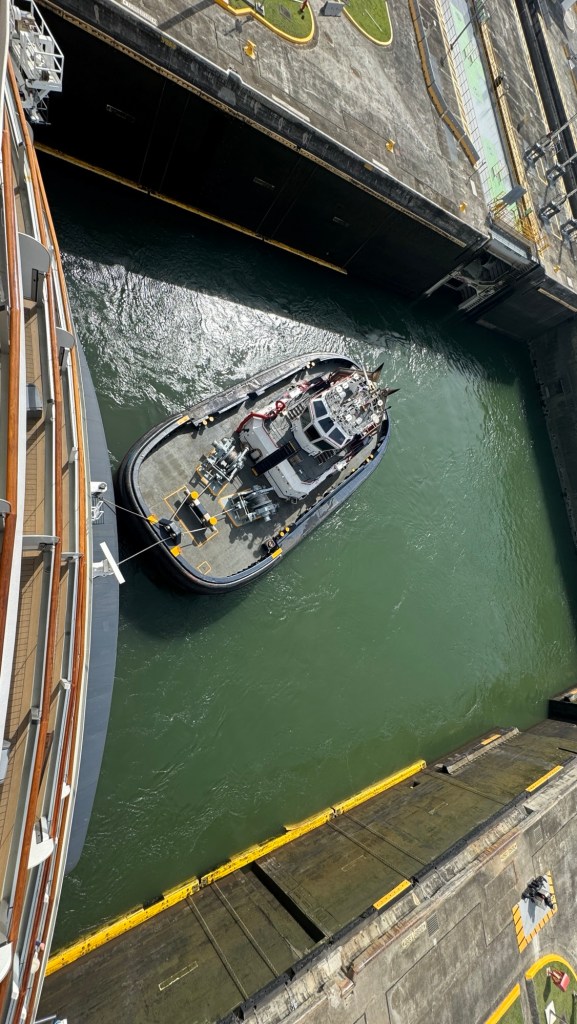
We had a tug boat on each end of the ship to keep us lined up within the lock.
Going through the final locks, the Gutan Locks.

We have another day at sea before we reach Willemstad in Curaçao.
Coromandel Peninsula

We awoke to sunshine but with a forecast of a cloudy day. We expected a slow drive along the coast but were hopeful of some beautiful scenery.

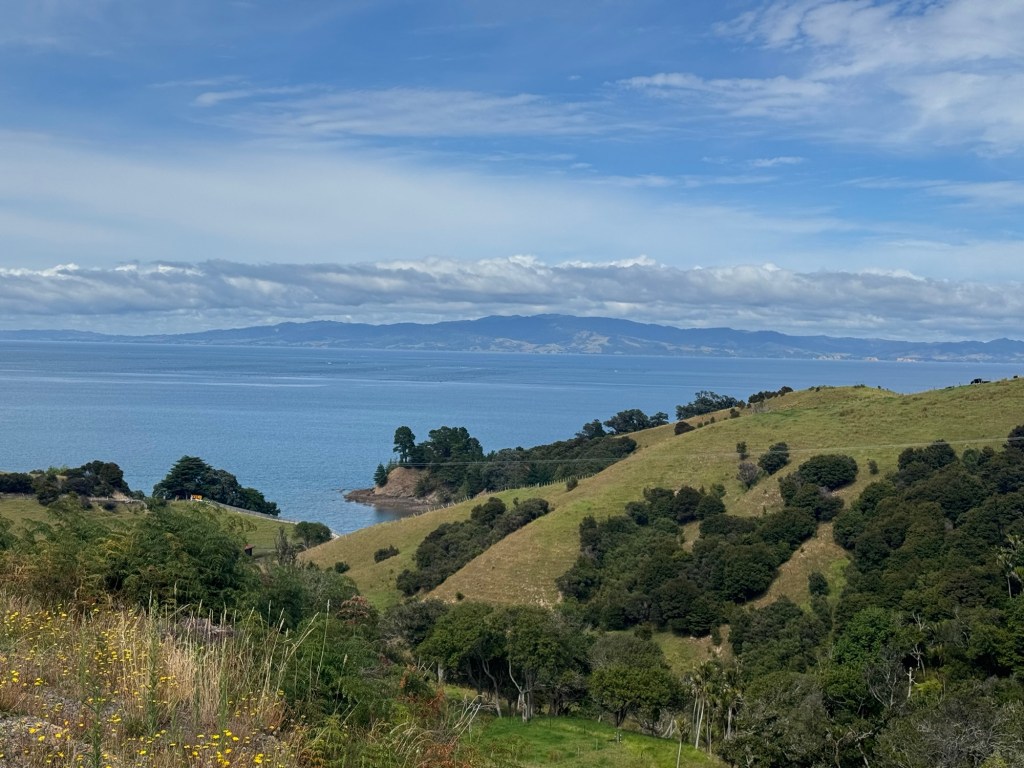
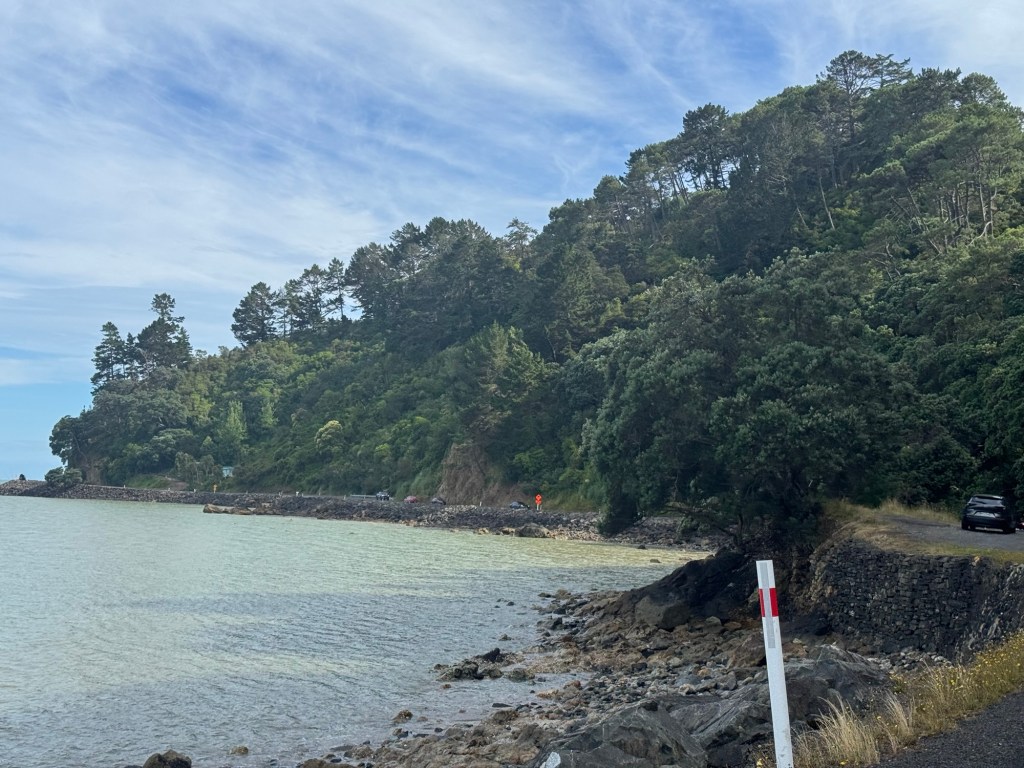
The west side of the peninsula is beautiful. We were driving right along the coast, most of the way to Coromandel.

Rugged shoreline
Some neat rock formations
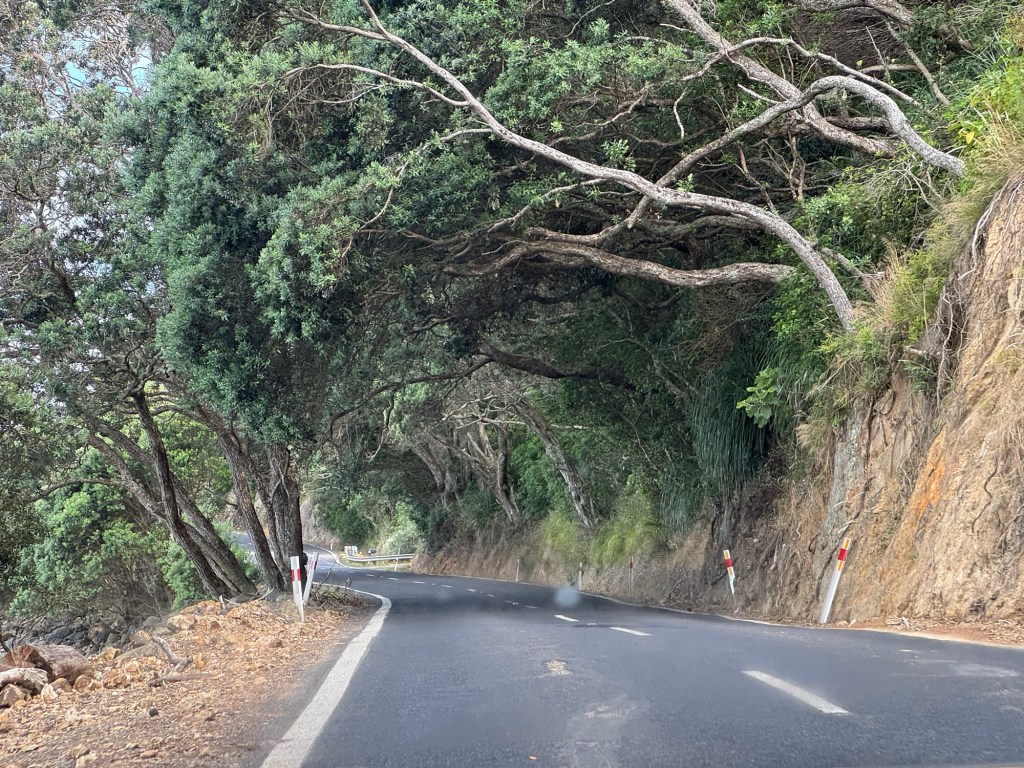
Numerous places where we drove through a canopy of trees.

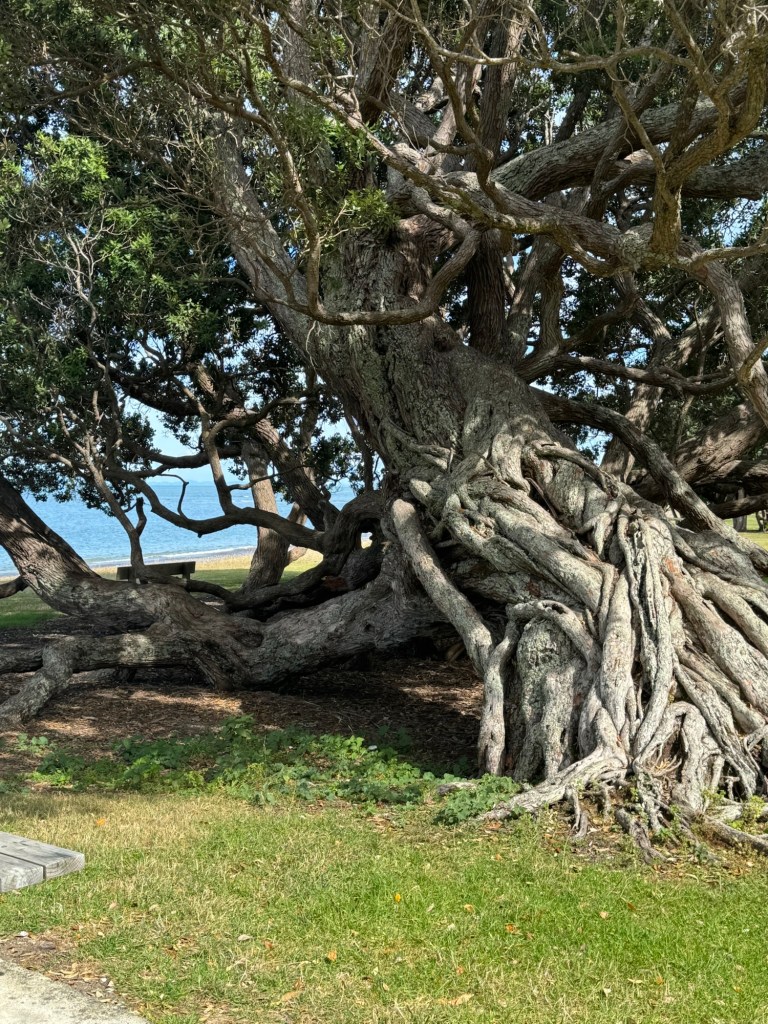
We also saw some amazing trees along the west coast. We saw some large, ancient pōhutukawa trees, which are a native New Zealand coastal tree, also known as the New Zealand Christmas tree. This is because they bear vibrant red, bristly flowers around December. The trees are also culturally significant to the Māori who consider them to be “chiefly” trees. The Māori are the indigenous Polynesian people of New Zealand, descended from East Polynesian settlers who arrived in large ocean canoes centuries ago.

Pōhutukawa tree

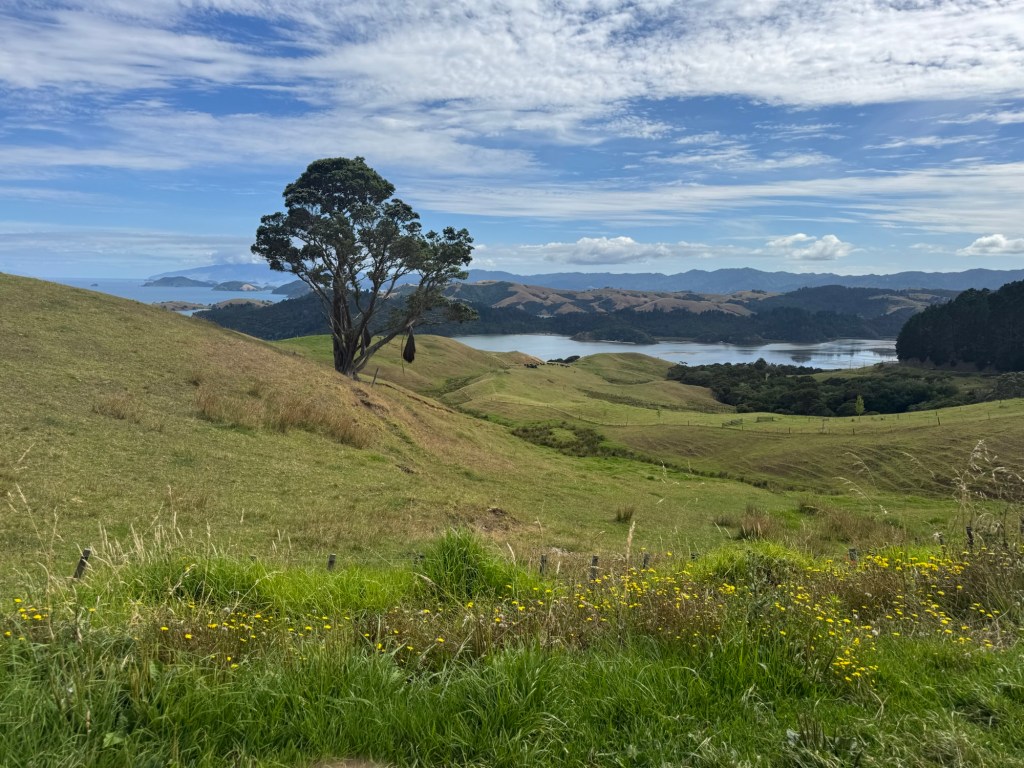
Despite driving the coast, at times the road veered inland and we started to climb, providing some beautiful views.

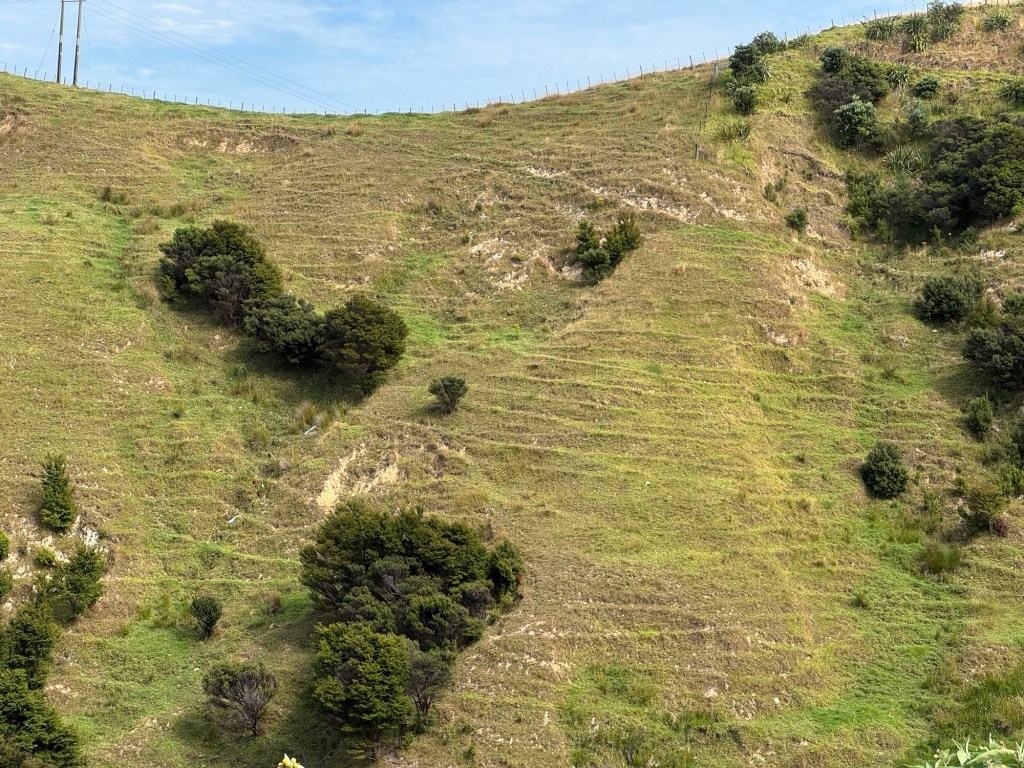
We also saw some more interesting landscapes – terracing on slopes. General perception is they are caused by animal grazing.

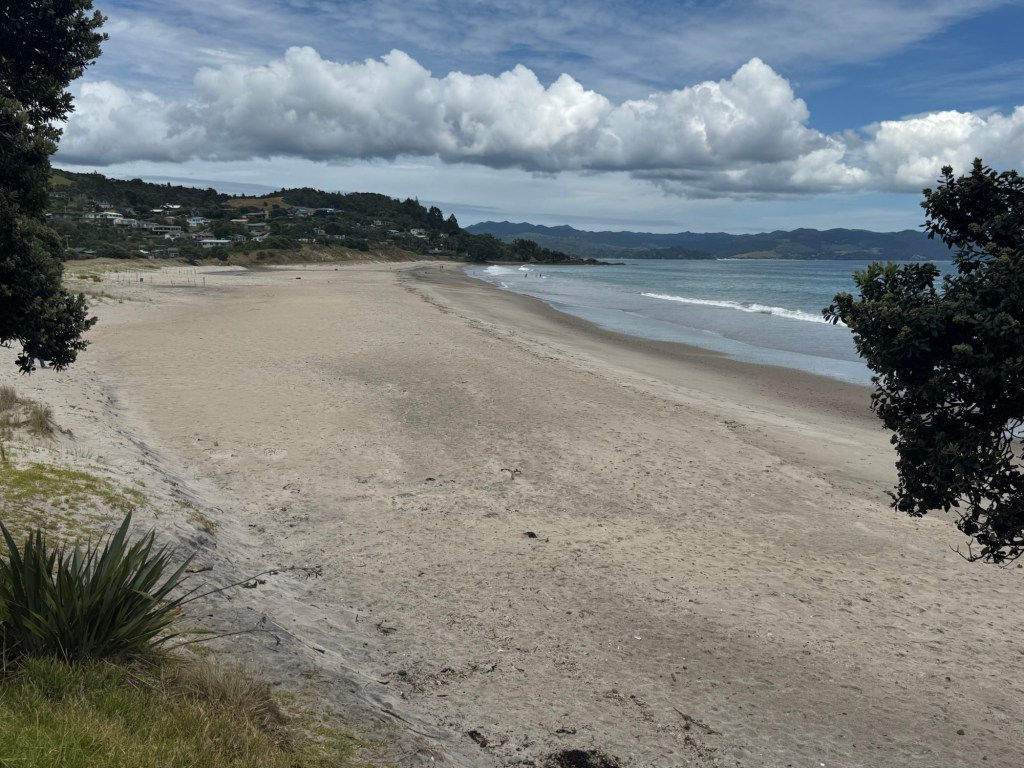
We stopped for lunch along the beach. Despite it being the weekend, there weren’t a lot of people at the beach. It was very windy!

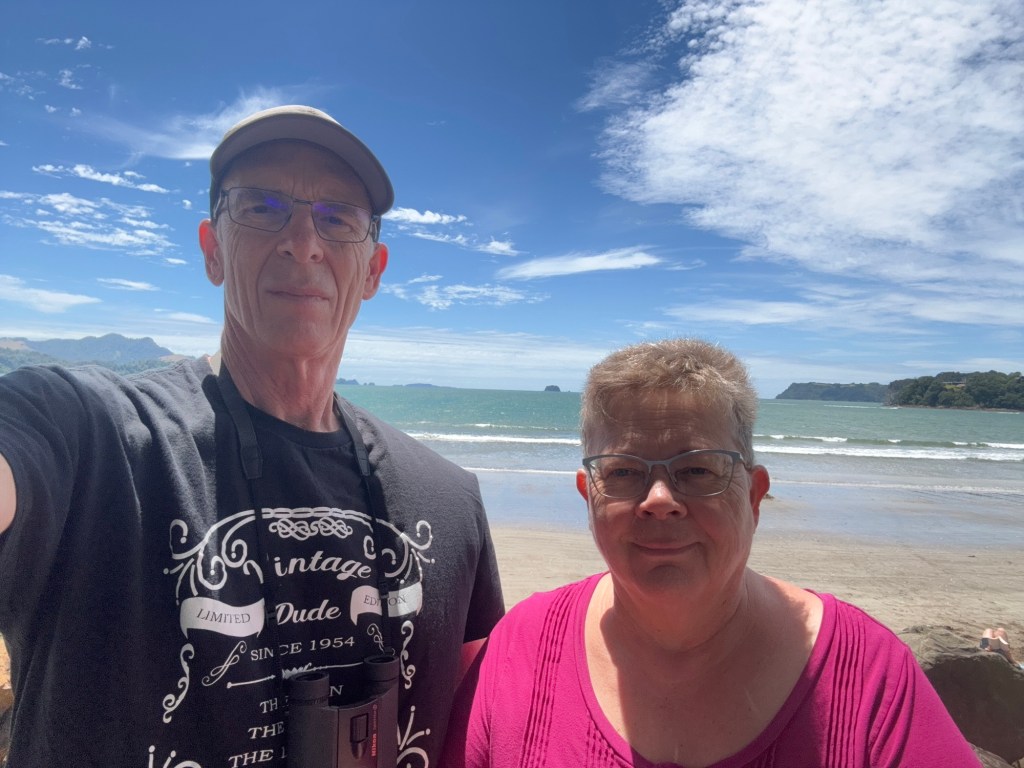
What was supposed to be a cloudy day turned into a very nice day in Whitianga!
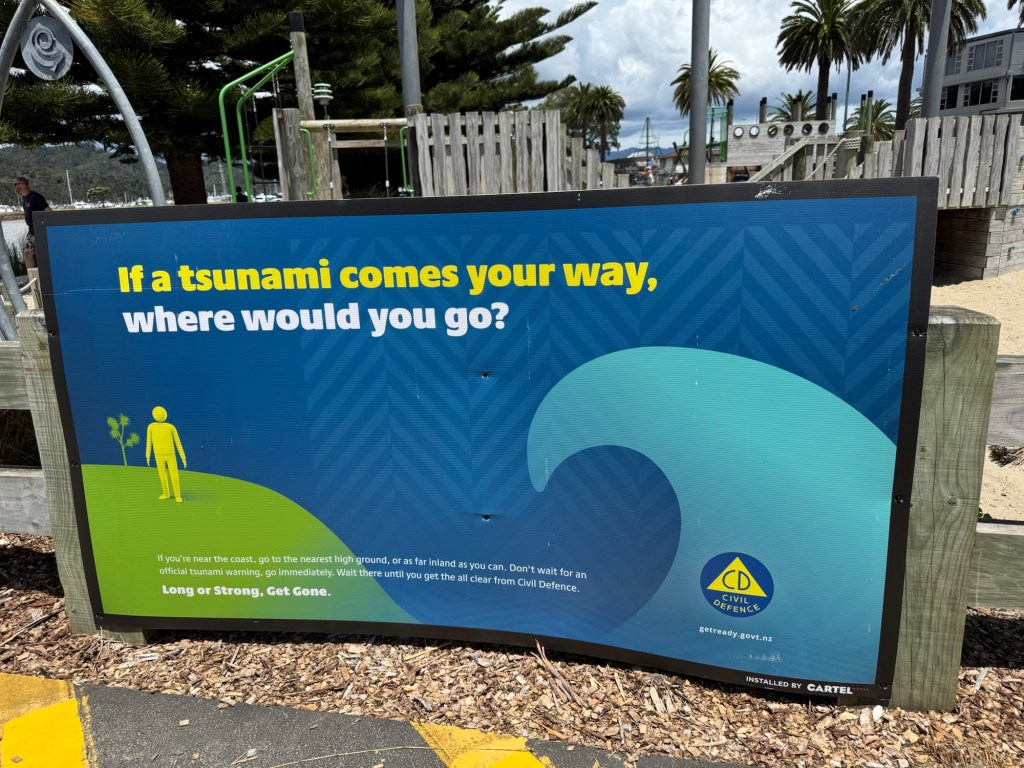
Hadn’t really thought of the risk until we saw this sign along the way. It just isn’t something we worry about in Ontario!

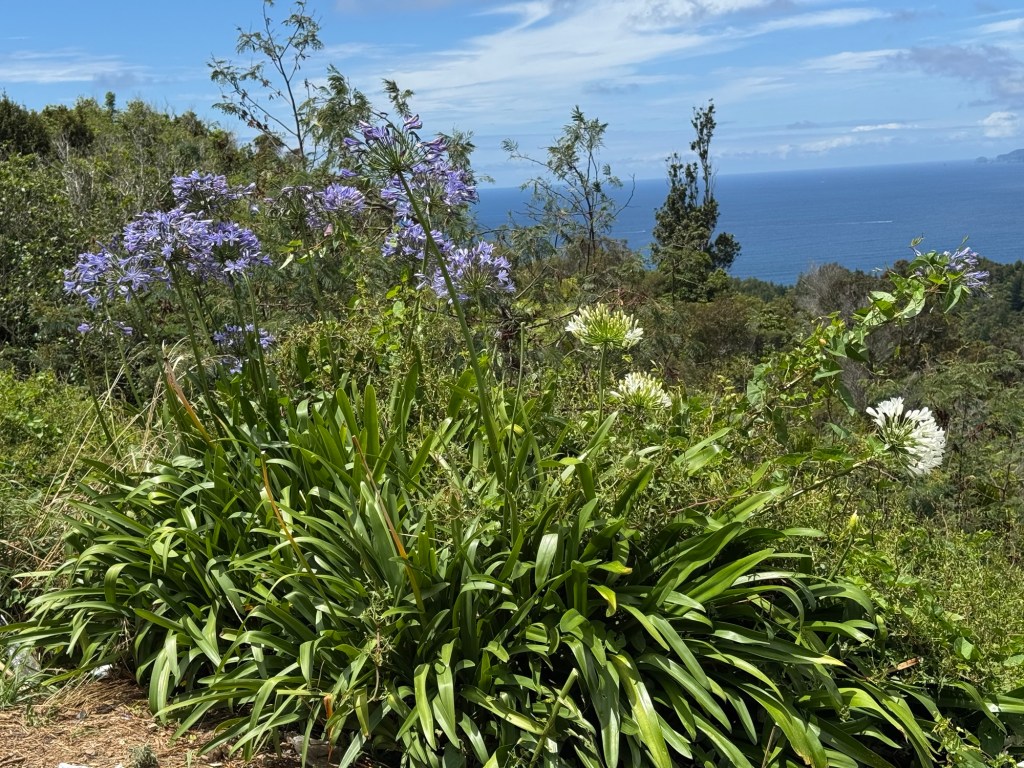
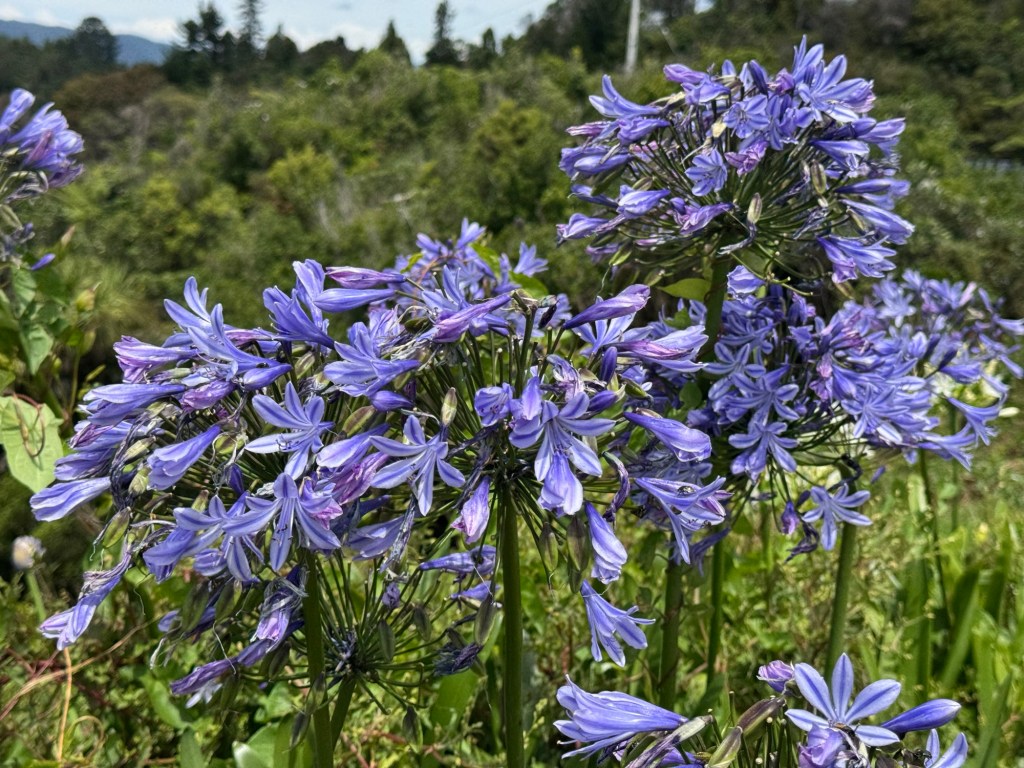
We’ve seen these tall white and blue flowers for days but I finally had a chance to get a close up of them. They’re beautiful!

These are Agapanthus plants, commonly known as the African lily or Lily of the Nile.

Driving the west side, we were inland much more of the trip. It was a full day but we really enjoyed the drive. We spent the night at Tauranga in another small motel, so we would have a short drive on Sunday to our next destination!