
In the 1300s, the East Polynesian voyagers arrived by canoe, developing a unique culture and language. Known as Māori (meaning “people of the land”), their rich heritage, though impacted by European colonization, is central to New Zealand life, with ongoing efforts to preserve and revitalize their identity and rights. We see lots of signs throughout that include both English and Māori words.
Much like we see in Canada with our Indigenous, a strong movement exists in New Zealand to reclaim and strengthen Māori language, culture, and rights, with prominent representation in national life.
The Treaty of Waitangi (the founding document of New Zealand) was signed in 1840, and established British sovereignty while guaranteeing Māori rights; however, its promises have often been unfulfilled.
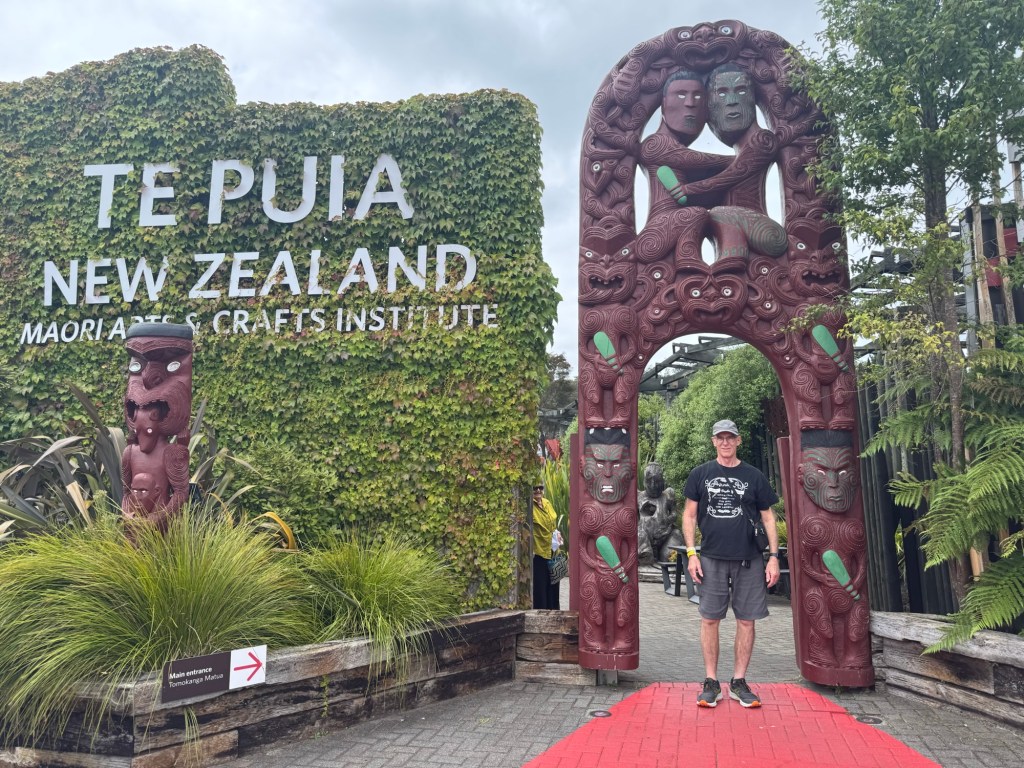
On Monday, we visited Te Puia where we not only learned about the culture of the Māori, but saw a kiwi bird and walked through one of the thermal areas.
The tour started with a visit to their art school that teaches stone and wood carving as well as weaving. The school takes a very small number of students who are there for two years to learn one technique.
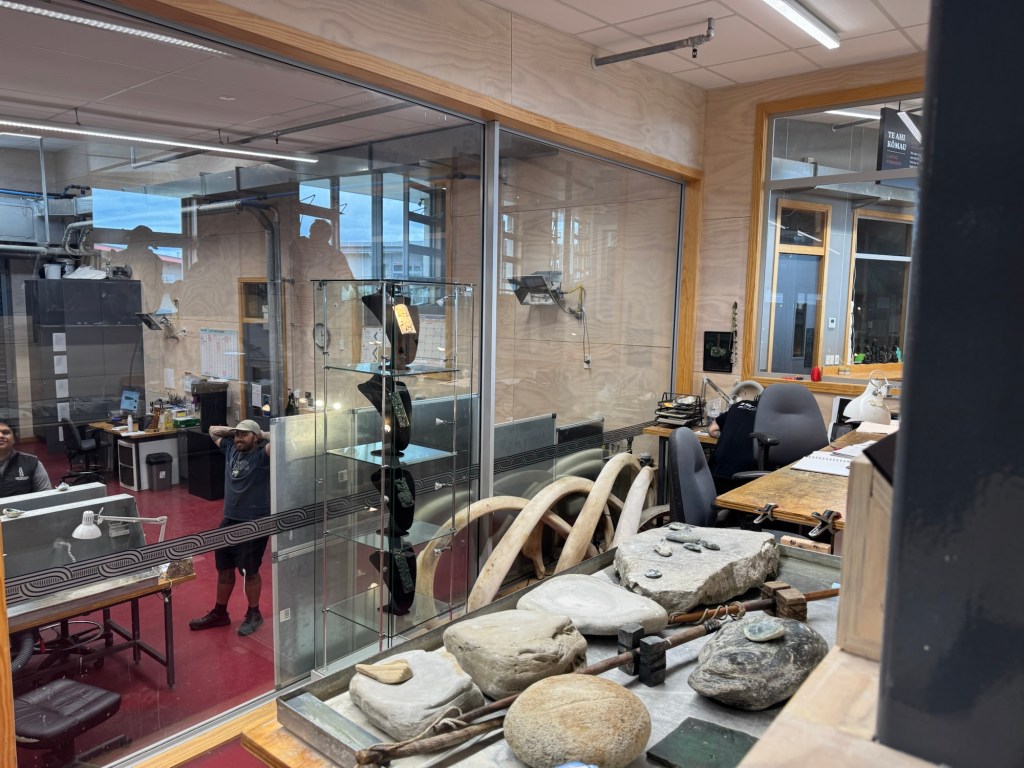
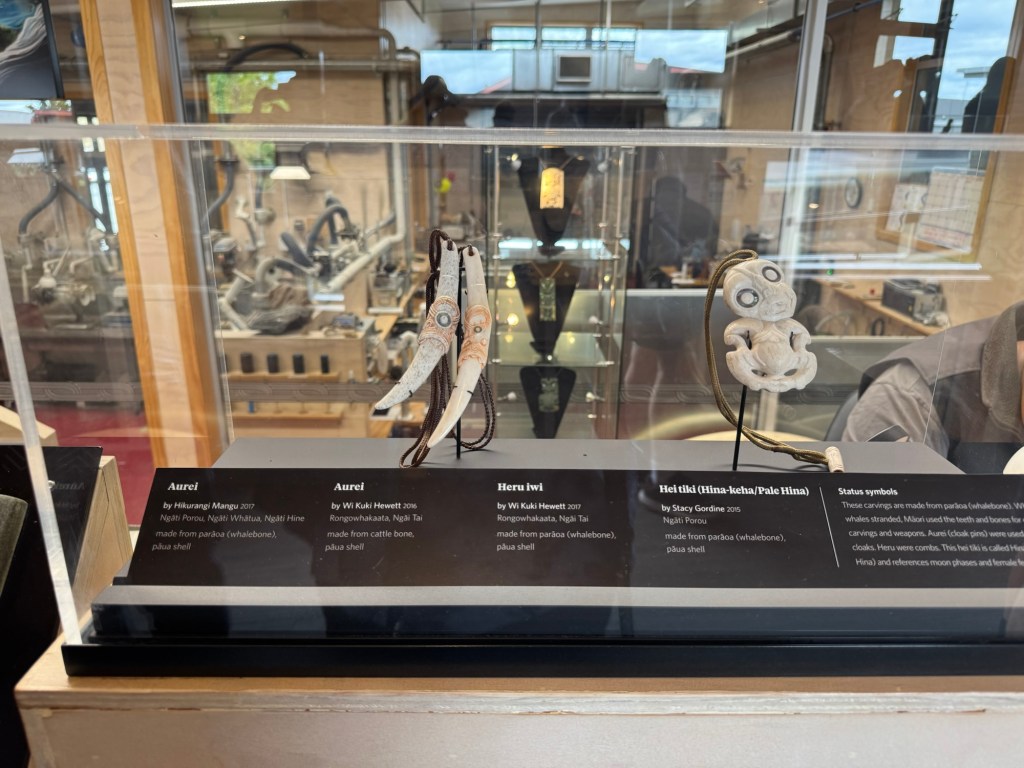
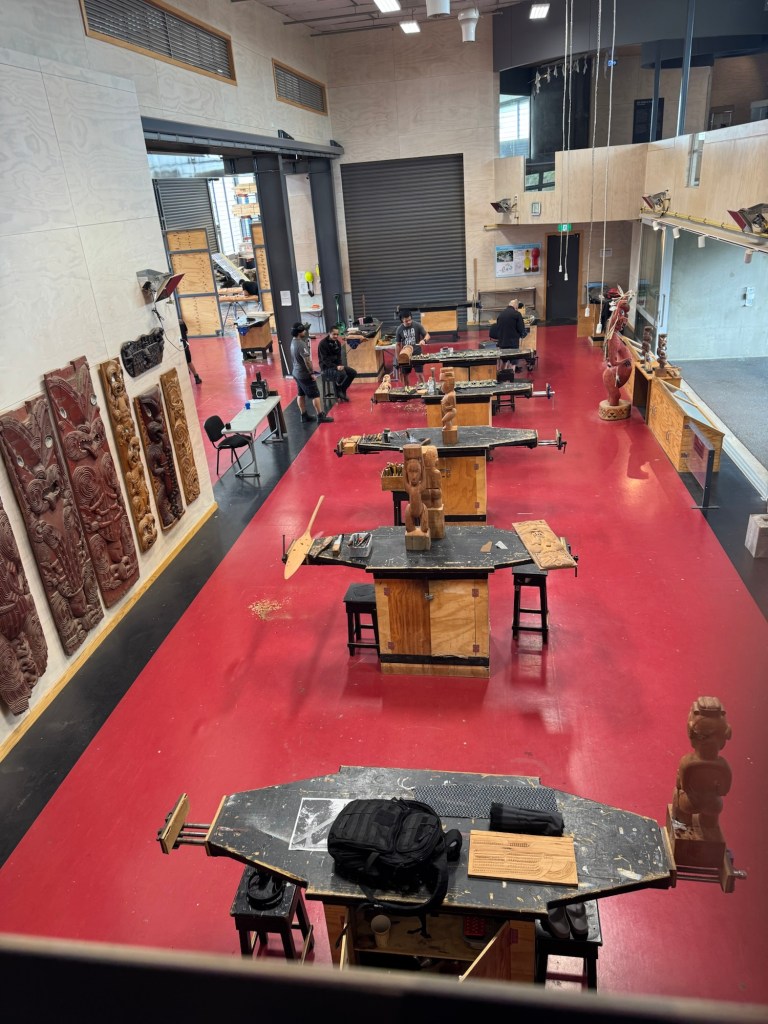
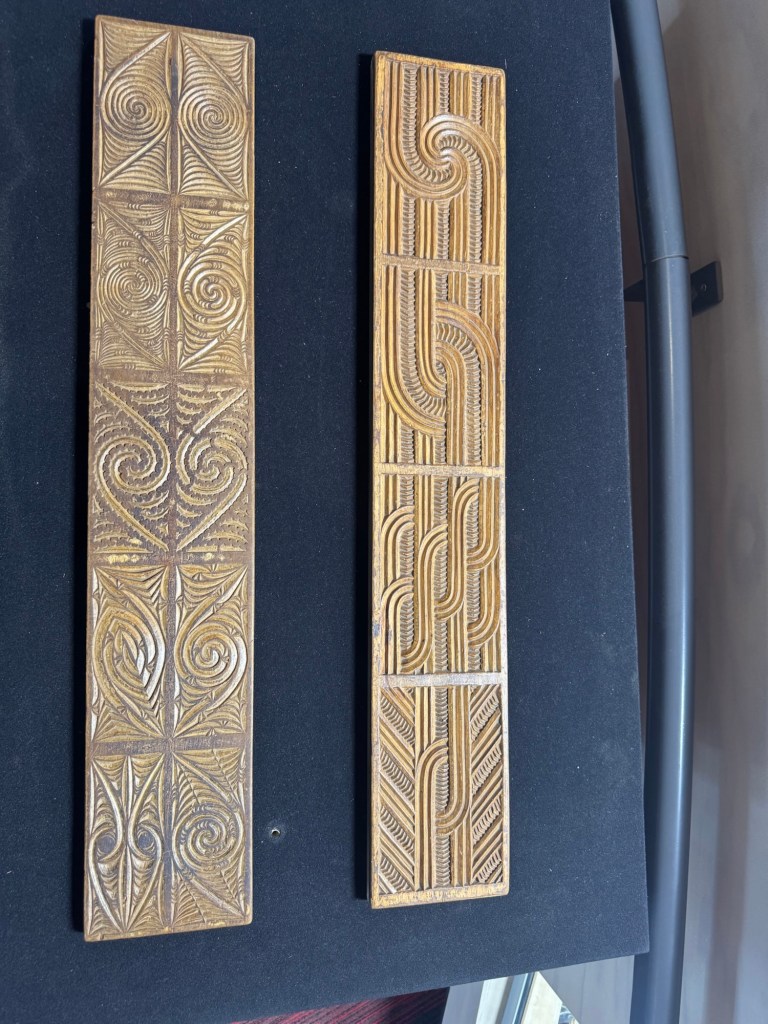
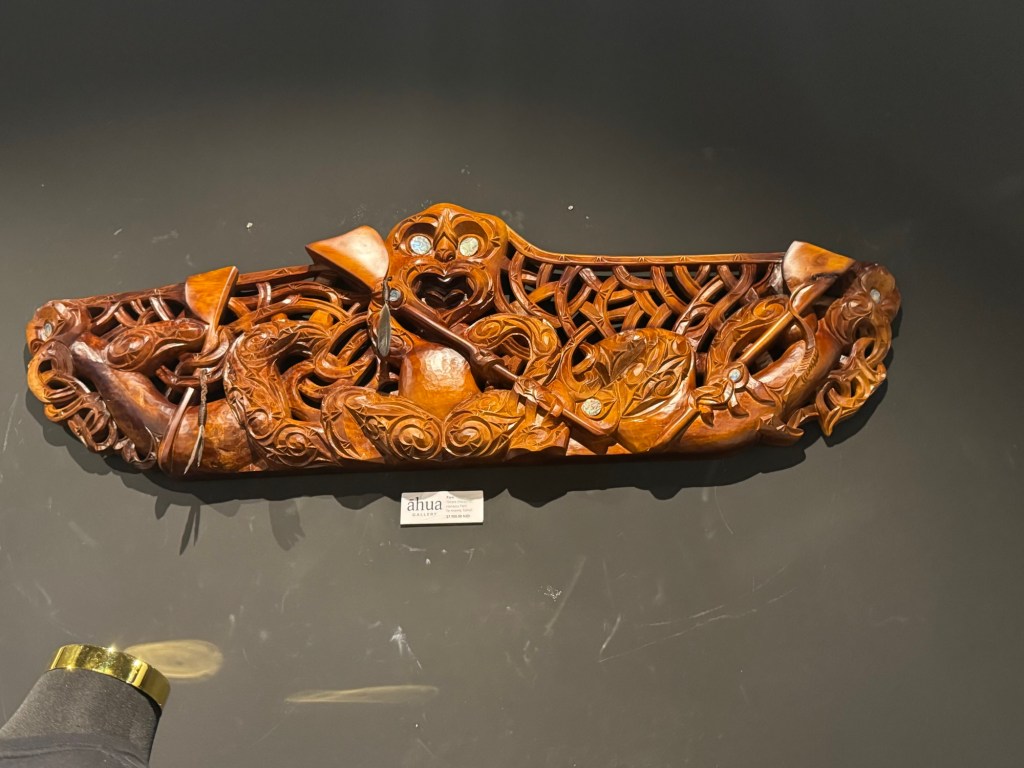
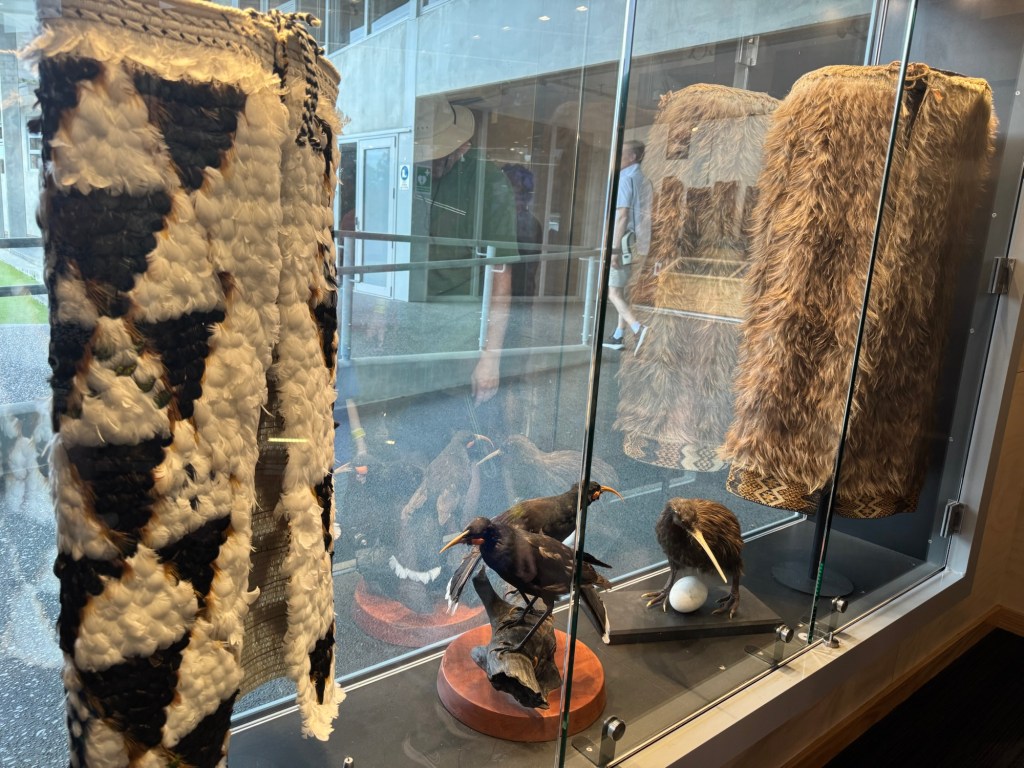
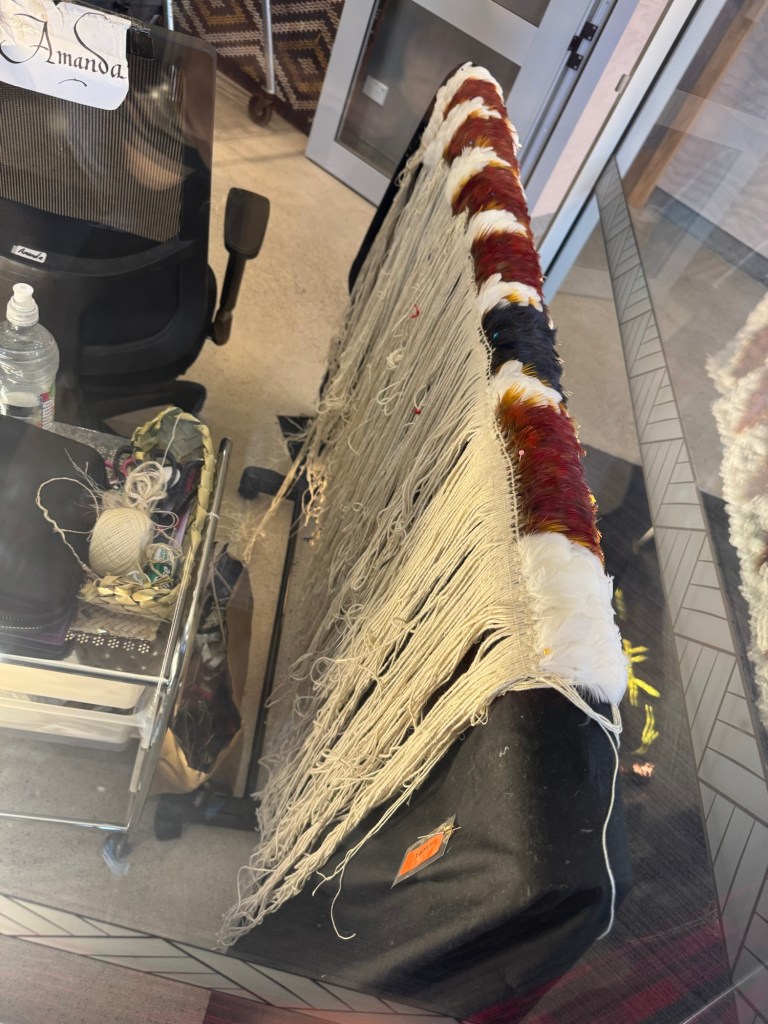
The final was the weaving lab. They have2 kinda of flax they use for weaving, one which they can break down into long fibrous strands. They also incorporate other materials to provide insulation or colour.
After a tour of the school, we headed out to see the kiwi bird sanctuary. They have 3 birds, each in its own enclosure. They are nocturnal birds and endangered and the national bird of New Zealand. The sanctuary has created artificial day and night for the birds so visitors can have a chance to see them out of their burrows. We saw only one of the birds but were unable to take any photos since any loud noises or lights would switch their systems.
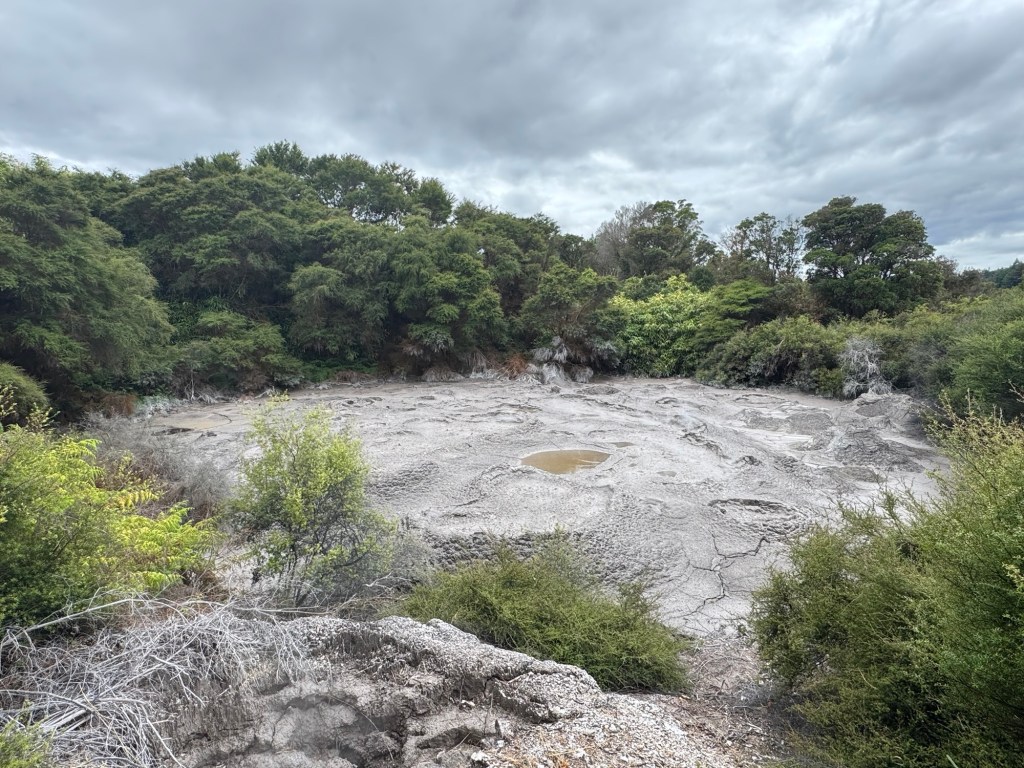
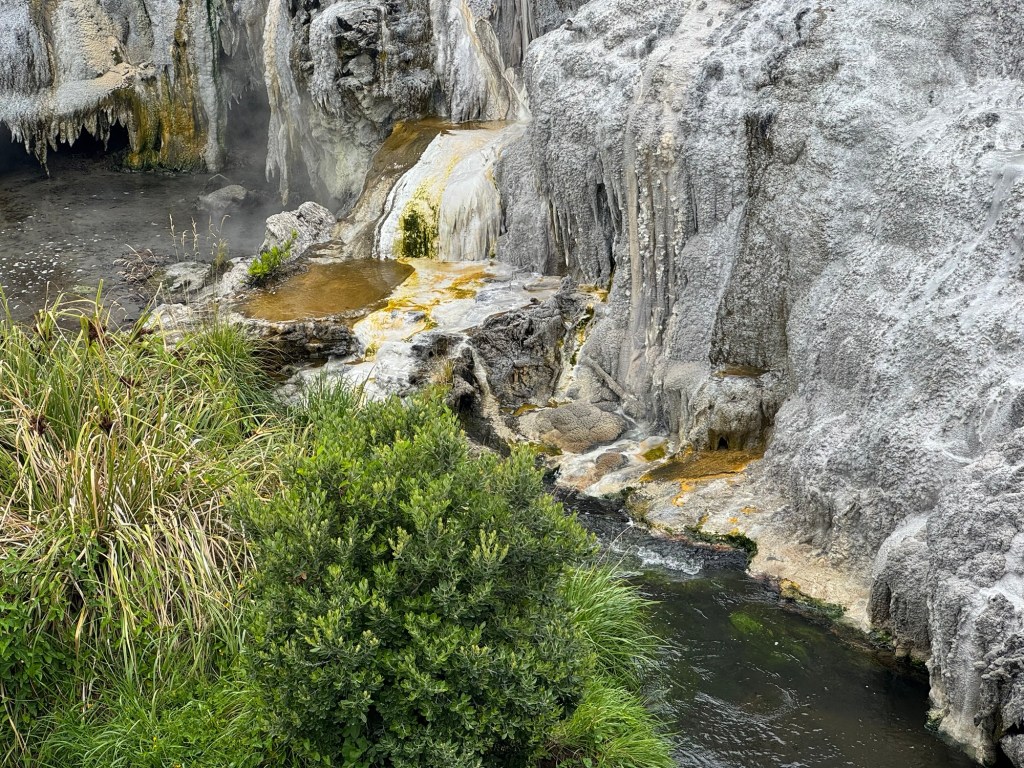
After that, it was time to head to the thermal valley. After seeing Yellowstone, these were minor geysers. They did have a large mud pot.
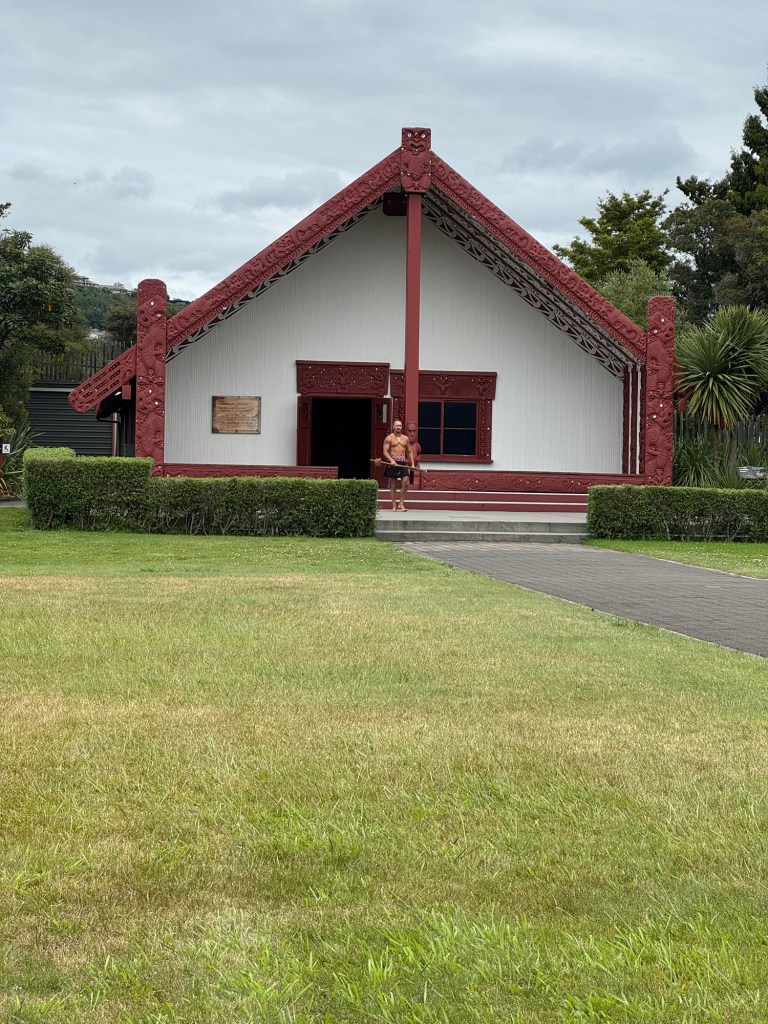
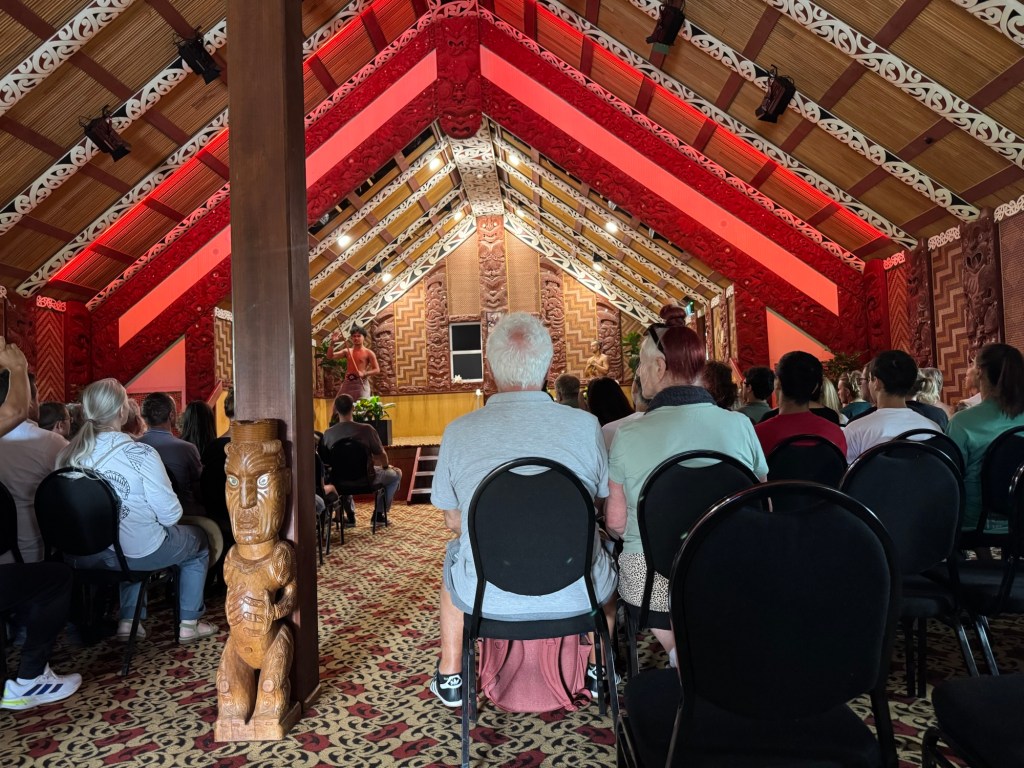
We finished the tour going into their ceremonial house.
It was a good afternoon and soon after we were on our way to our motel for the night.
Next we head to Lake Taupo area and rainy weather.

 Following Joyce & Paul's Travels in Retirement